
Property maintenance Repair Rectification
One team for urgent and planned property works.
Coordinated trades, written scopes and documented completion for homes, managed properties and claim-related works in Victoria.
Dealing with damage right now? What to do first
- One point of contact
- Seven coordinated service areas, from small repairs to full reinstatement
- Make-safe capability
- Urgent works kept separate from permanent repairs
- Documented delivery
- Written scopes, photo records, approved variations
- Based in Victoria
- GST-registered Australian business
What we do
Services grouped the way properties actually need them
From a sticking door to underpinning, seven service areas cover the lot. Pick the closest fit and we'll sort out which trades the job needs.
- Property MaintenanceThe recurring jobs that keep a property safe, presentable and tenantable — handled by one provider instead of a list of separate contractors.
- Renovations and ImprovementsRenovations and upgrades that lift a property's value and function — with the trades, sequencing and finishes managed as one job.
- Interior and Exterior FinishesPainting, plastering, render, mouldings and window furnishings — the finishing work that decides how a property looks and what it feels like to walk into.
- Plumbing, Waterproofing and Wet AreasFrom dripping taps to failed shower membranes and overflowing gutters — the work that keeps water where it belongs.
- Building Repairs and RectificationCracking, movement, defects and damage — assessed for cause, then repaired properly rather than patched over.
- Heating and CoolingSplit systems, ducted heating and cooling, and ventilation — sized for the space, serviced on schedule, and repaired by the right trade.
- Security SystemsCameras, alarms, intercoms and access systems — specified for the property in front of us, not sold as a one-size package.
Urgent damage
When something fails suddenly, the first job is making it safe.
Burst pipes, roof leaks, break-in damage, electrical faults: we secure the property first, then scope the permanent repair separately, with no pressure to commit on the spot. If there is immediate danger to life, always call 000 before anything else.
- Gas leaks
- Water leaks and burst pipes
- Urgent plumbing
- Electrical faults
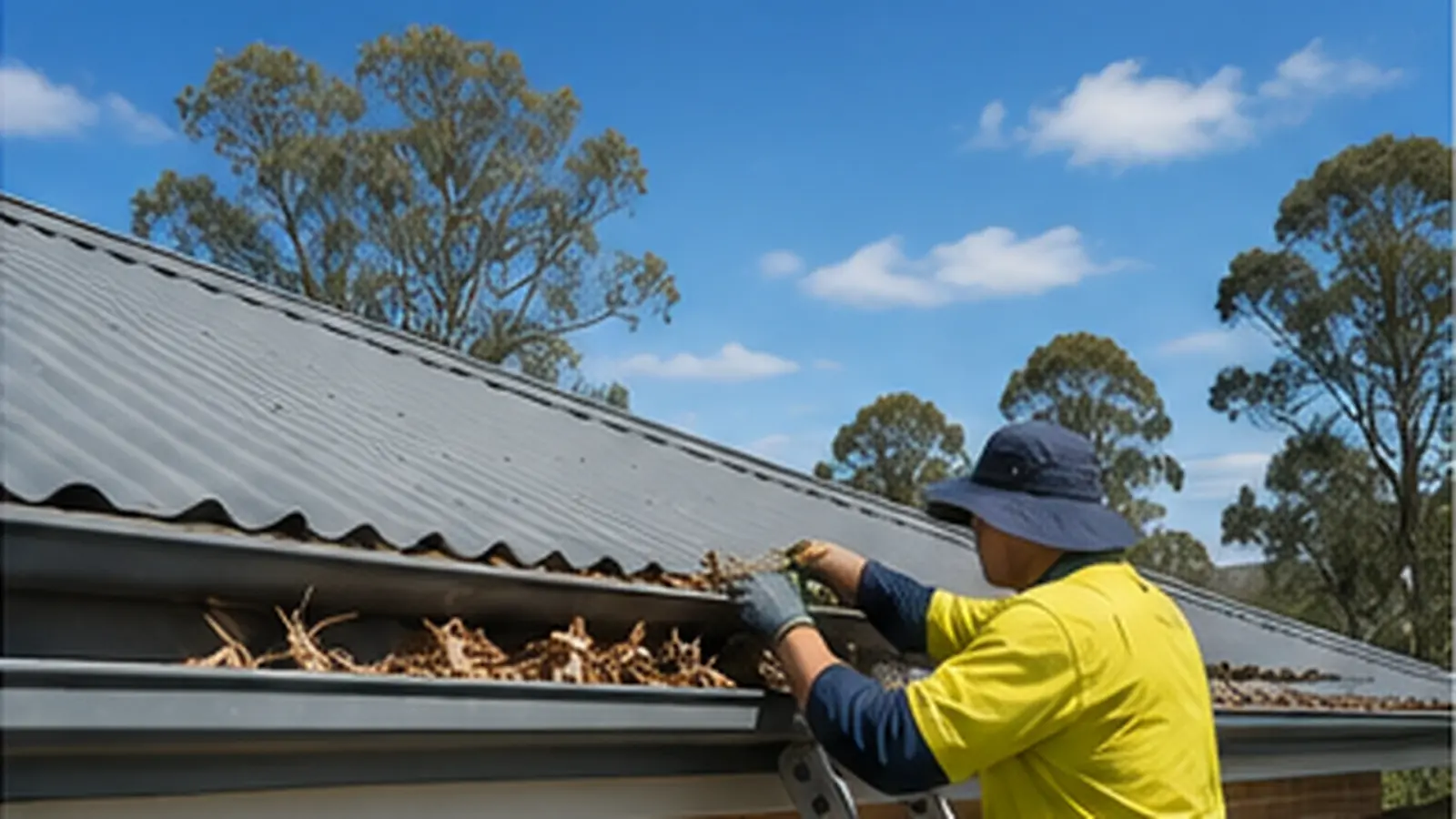
- Roof leak repairs
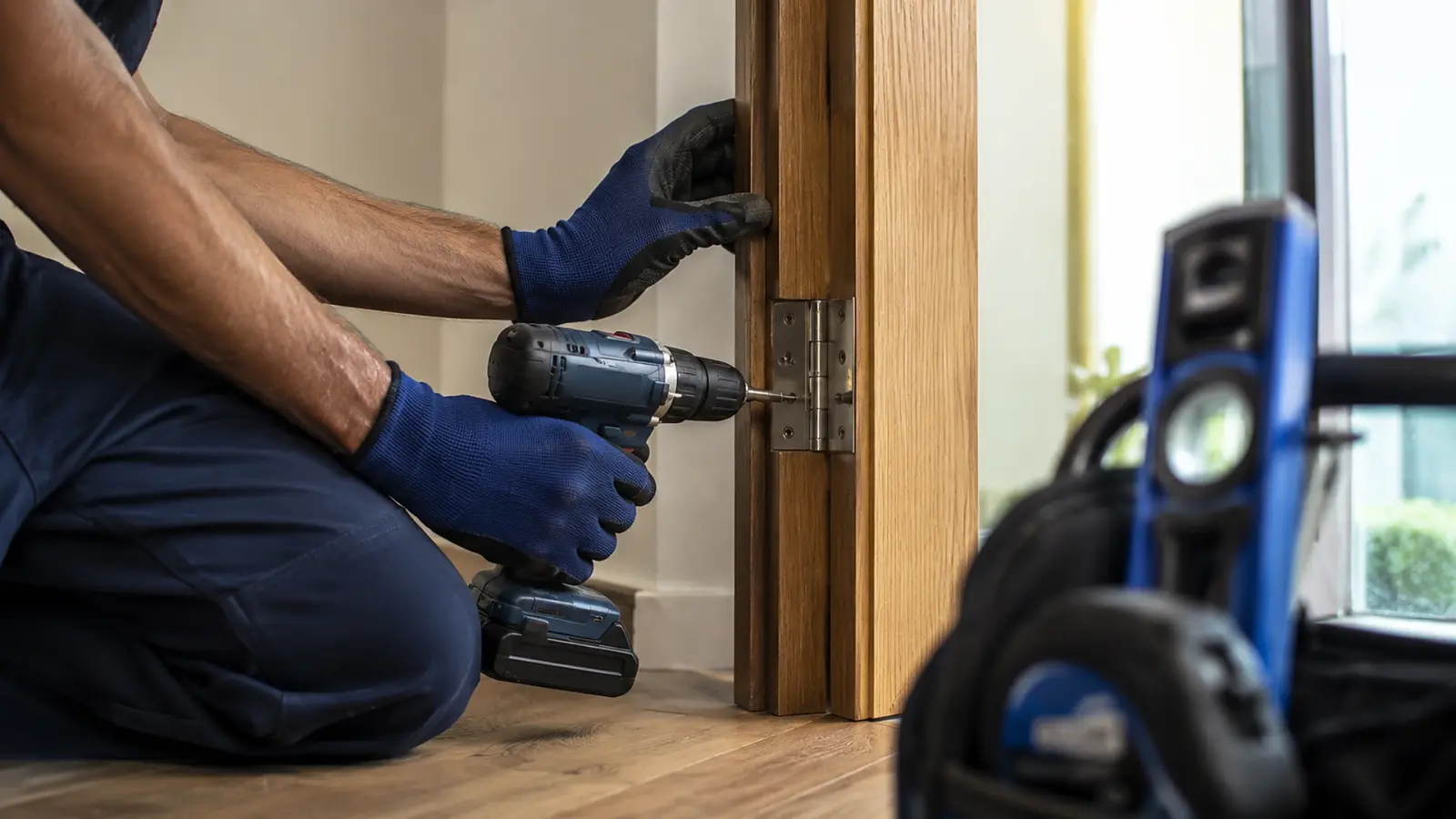
- Lock and door repairs
- Water damage
- Make-safe works
Who we work with
Supporting claims, owners corporations and managed properties
Different stakeholders need different paperwork. Pick the pathway that matches how you're responsible for the property.
- Insurance and claim-related worksMake-safe, damage documentation, repair quotations and approved reinstatement for claims teams, loss adjusters and policyholder properties.
- Owners corporation and strata worksCommon-property repairs, urgent works and planned maintenance, documented for OC managers, strata managers and committees.
- Commercial and managed propertiesReactive and planned works for facilities managers, property managers and multi-site operators, scheduled around occupants and trading.
Also: residential maintenance for homeowners, and work-order handling for real estate agencies and property managers.

How work runs
A controlled sequence, from request to close-out
The same order whether it's a single repair, a work order or a claim-related job. Nothing proceeds without approval.
Receive and triage
The request arrives with photos and any claim or work-order reference. Urgent risk is separated from planned work from the start.
Attend and document
Site attendance where the job needs it, with photographs and notes on the observed damage or scope.
Scope and approve
A written scope and quotation. Work proceeds only once it's approved, and variations are approved before extra work happens.
Repair and close out
Approved works completed around occupants and trading, with progress updates and completion records for your file.
What to expect
Six trades on one job shouldn't mean six phone calls
A bathroom leak can involve a plumber, a tiler, a waterproofer, a plasterer and a painter. We run them as one job, with the records to match.
- One written scope covering every trade the job touches
- Your claim, work-order or job reference carried through quotes, updates and invoices
- Photo records of condition, progress and completion
- Variations quoted and approved before extra work proceeds
- Access arranged with occupants, tenants and managers, with proper notice
- Licensed trades arranged where regulations require them

Have a property issue that needs attendance, assessment or repair?
Describe the work, attach photos and include any claim or work-order reference. We'll come back with a written quote or the next step. No obligation.
Or call direct
03 9434 1000Good to know
Questions people ask before their first job
More detail on quoting, trades and urgent work lives on the FAQ page.
How do I get a quote?
Use the Request a Quote form — it takes a few minutes and lets you attach photos, which is the single biggest thing that speeds up an accurate quote. You'll receive a reference number on submission, and we'll come back to you to confirm scope or arrange an inspection where one is needed.
Are quotes free?
Standard quoting from photos and descriptions is free. Where diagnosis requires significant on-site investigation — leak detection, for example — any assessment cost is agreed with you before anyone attends.
Can you undertake make-safe works?
Yes. Make-safe and initial damage mitigation are treated as their own task: stabilising the site and preventing further damage, documented with photographs. Permanent repairs are scoped, quoted and approved separately. Attendance is confirmed per job rather than promised in advance.
Can you provide photographs and a repair quotation?
Yes. Photos of the affected areas, notes on what was observed and an itemised quotation are standard outputs, tied to your claim or work-order reference so they drop into the file cleanly.
Are you licensed for plumbing, electrical and gas work?
Work in regulated trades — plumbing, gasfitting, electrical, refrigerant handling and similar — is arranged through, or completed by, tradespeople holding the licences that work legally requires, and compliance certificates are provided where applicable. You deal with one point of contact; the paperwork still comes from the licensed trade that did the work.